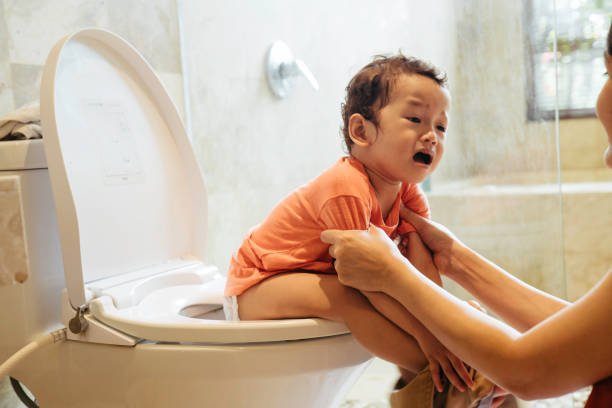

diarrhoea increases during the rainy season
The monsoon or rainy season is a welcome break from the summer heat—but it also brings its own health risks, especially for children. In places like Mancherial, where heavy rains, water-logging, humidity, and occasional breakdowns in water/sanitation systems can occur, the risk of diarrhoeal diseases in kids rises. According to one article, diarrhoea spikes during the monsoon because of contaminated water and compromised sanitation. For parents, caregivers and older siblings (younger sister etc.), being proactive can make a big difference. This blog outlines why diarrhoea becomes more common, what specific risks the rainy season brings, plus a detailed list of precautions you can follow (especially in Mancherial) so your baby sister (or any young child) stays safe and healthy.
Here are some reasons the rainy season tends to raise the risk of diarrhoeal illness in children:.- Contaminated water sources: Heavy rains and flooding can wash pathogens (bacteria, viruses, protozoa) into drinking water supplies. One blog says heavy rains lead to contamination of water supplies, making it easier for pathogens to spread.
- Poor sanitation and water-logging:Stagnant water, overflowing drains, open gutters all add to the risk. Article: “wet conditions are a fertile breeding ground for bacteria and viruses” in rainy season.
- Food contamination:Moisture and humidity speed spoilage of food, make storage tougher; street food or food kept for long in humidity may carry higher risk
- Weaker immunity: Children (and especially young ones) already have a less mature immune system, so they’re more vulnerable.
- Hygiene challenges:Muddy shoes, children playing outside in rain puddles, mixing of dirty water with clean zones—these raise risk.
- Local infrastructure issues:In cities/towns like Mancherial, where drainage, water supply, purification may vary, the rainy season can stretch the system.
Key Precautions for Children in Mancherial during Rainy Season
- Always provide boiled or properly filtered water for children. One guideline says: “Boil water: always boil drinking water for at least 10-15 minutes to kill any harmful microorganisms.”
- If using stored water (in jars, bottles), clean the containers regularly and cover them securely so no dust/flies/mosquitoes/contaminated droplets can enter.
- Avoid giving water from uncertain sources (for example, open wells, puddles, un-treated bore‐wells) without purification.
- When out (school, playground, visiting relatives), carry a safe water bottle; avoid drinking from untrusted sources.
- In Mancherial, check that the municipal supply is clean—if there is doubt, boil or filter before giving it to younger children.
- Serve freshly cooked meals. Avoid giving children food that has been left uncovered, in the open, or stored for long time in humid conditions.
- Wash fruits and vegetables thoroughly under clean water. In the rainy season, dust and contaminants may settle on produce more easily.
- Avoid street-food or snacks whose hygiene you can’t guarantee (especially after rainfall when road-side surfaces might be wet, waterlogged). The Times of India article suggests avoiding street food during monsoon.
- Keep food covered. Use airtight containers for leftovers. Re-heat food properly before serving if it’s been stored.
- Teach your baby sister (if she is old enough) to avoid putting unhygienic objects in mouth, avoid eating from the ground, or from muddy hands.
-
3. Personal Hygiene & Handwashing.
- Teach and reinforce hand-washing for all children: especially before meals, after using the toilet, after playing outside (in puddles/mud) and after changing diapers. One article emphasises frequent hand washing to prevent diarrhoeal diseases.
- Make sure soap and clean water are available. If outside, use sanitizer as backup.
- Trim nails, keep hands and feet clean (muddy feet can carry germs into house).
- After children come home from school/playing outside, make them wash their hands and feet before eating or moving around the house.
- Inspect around your house for stagnant water (puddles, open drains, gutter overflows). Especially after rain in Mancherial, check the yard, parking area, near the house walls. Stagnant water promotes germs and also mosquitoes (which although more about malaria/dengue, complicates health)
- Keep the kitchen, food storage area, utensils dry and clean. Avoid damp, mouldy, or dusty conditions.
- Waste disposal: Ensure garbage bins are covered; keep food waste away from open area where children might pick up things.
- After rain, clean wet shoes, mats, and dry child’s room properly (humidity may promote microbes).
- If house gets water-logging, avoid letting children eat/play near those areas.
- Encourage a balanced diet: plenty of fruits, vegetables, whole grains; avoids heavy oily junk food. One blog says: feeding kids food rich in antioxidants, vitamins and minerals helps build strong immunity.Include probiotic-rich foods (like yogurt, curd) to support gut health—some sources suggest probiotics for rainy-season diarrhoea
- Keep your baby sister well-hydrated: warm water, clean coconut water, safe juices (in moderation). During or after rain, extra fluids can help.
- Avoid very chilled drinks/ice-creams from dubious sources since they may be contaminated.
- Encourage a routine of healthy meal times—not overly late night meals, avoid food exposed to humidity.
- Be alert to early signs of diarrhoea: frequent loose stools, watery stool, abdominal pain, vomiting, fever. The Times of India article notes: “frequent, watery stools … plus water-logging/compromised sanitation” are red flags
- Recognise dehydration signs in children: dry mouth, sunken eyes, reduced urine output, lethargy. These require prompt action (fluid intake, medical consult).
- Even with preventive measures, if diarrhoea occurs, immediate steps matter: start giving safe fluids; use Oral Rehydration Solution (ORS) if recommended. The national campaign STOP Diarrhoea Campaign by Ministry of Health and Family Welfare emphasises ORS + zinc for children.
- Offer light, easily digestible food: e.g., boiled rice, banana, khichdi, light soups; avoid heavy oily/fatty/spicy food until recovery
- Keep the child at home, ensure rest and hygiene (change diapers promptly, keep them clean, washing hands).
- If after 24-48 hours child’s condition worsens (blood in stool, high fever, repeated vomiting, signs of dehydration), seek paediatric care. The blog indicates: “persist more than 24 hours / blood in stool / low urine output / lethargy => doctor.”
- Make sure children don’t share water bottles/utensils when they’re sick and disinfect surfaces.
- After heavy rains, check whether water supply from local sources (municipality) is safe: if turbidity is high or smell is off, treat before use (boil/filter).
- In many areas in Telangana, street food is common—during monsoon, the risk of contamination increases, so prefer home-cooked meals for the little ones.
- Rainy season might bring power outages/humidity; if water filter (RO) system is used, ensure filters are changed timely, don’t rely on untreated tank water.
- When travelling from Mancherial to rural/forest zones (for weekend or picnic), carry safe water, avoid eating from roadside stalls after heavy rain.
- Make sure your house’s drainage is not blocked (in Mancherial rains may lead to overflow) so water doesn’t stagnate near the home-area where kids play.
1. Safe Drinking Water:
2. Food Hygiene and Safe Meals.
4. Keeping the Environment Clean & Dry
5. Diet & Immunity-Boosting.
6. Awareness and Recognising Early Signs
7. When the Child Has Diarrhoea-What To Do
Tips Specific to Mancherial Region.
conclusion
Diarrhoea is one of the most common and preventable diseases during the rainy season. Timely diagnosis, proper hydration, and professional medical treatment are key to a quick recovery.At Avani Children’s Hospital in Mancherial, we are dedicated to providing expert pediatric care with compassion and precision. Our hospital’s commitment to child health, hygiene, and safety makes us the best children’s hospital in Mancherial and the most trusted healthcare center for diarrhoea and other seasonal illnesses.


Adam Jhon
25 Apr, 2025 08:56pmThrough this blog, we aim to inspire readers to embrace healthcare as a lifelong priority and to advocate for quality medical care
Jhon Abraham
26 Apr, 2025 08:56pmHealthcare News and Trends: We provide updates on the latest developments and trends in the medical sector.
Michel Alex
28 Apr, 2025 08:56pmWe discuss strategies to help patients make informed decisions about their healthcare and wellness journeys.